
Ballet flats
A heel that carries, Italian leather that stays supple. Italian women's ballet flats, sizes 33 to 40.


Nabbi Black Ballerinas
195 €


Nabbi Almond Ballerinas
195 €


Carolia Jean Mary Janes
205 €


Perri CC Nude Ballerinas
205 €

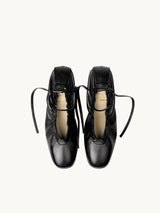
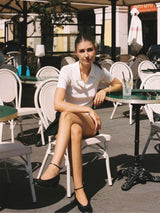
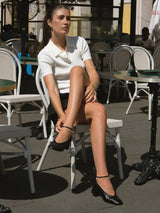
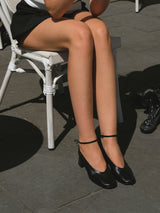


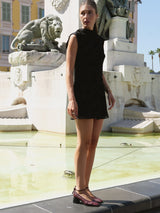
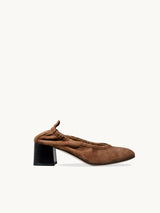
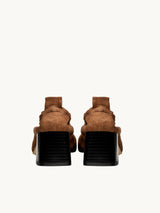
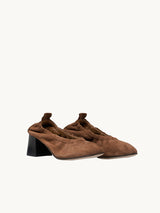
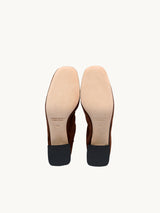
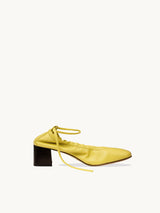
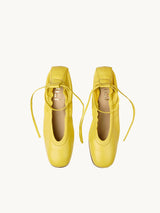
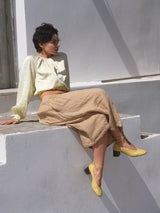
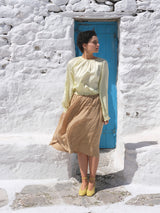


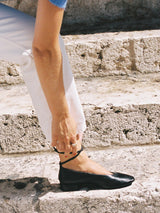
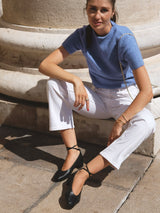
Benni Black Ballerinas
195 €
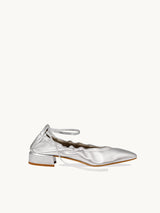
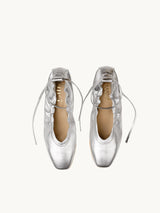

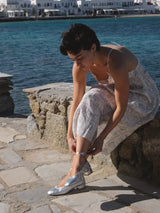
Benni Silver Ballerinas
195 €
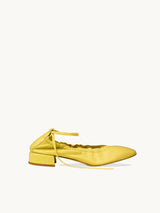
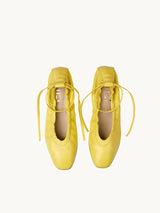
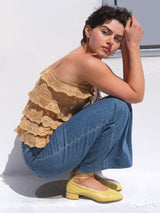
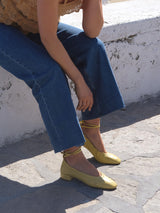
Yellow Ballerinas Benni
195 €

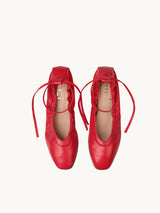
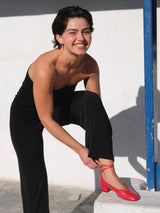
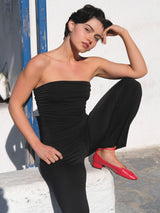
Red Ballerinas Benni
195 €
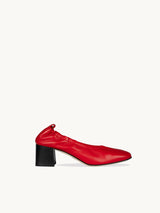
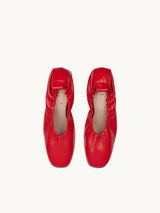
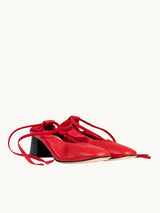


Perri Red Ballerinas
95 €
195 €
-51%
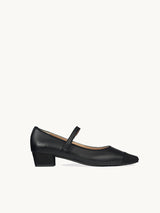
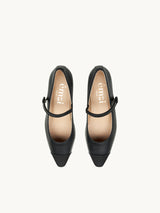
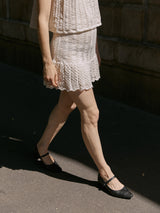
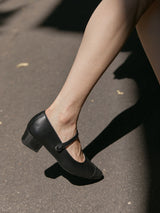
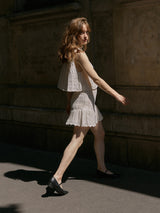
Bambie Classic Black Ballerinas
80 €
180 €
-56%
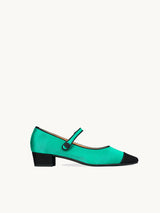
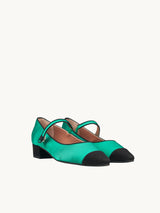
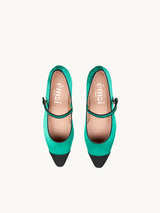
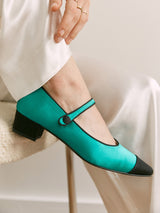
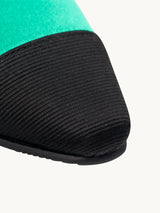
Bambie Satin Green Ballerinas
80 €
180 €
-56%
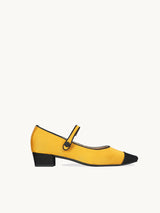
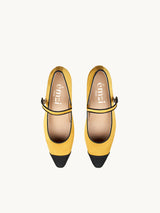
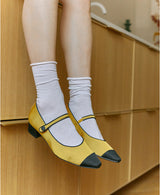

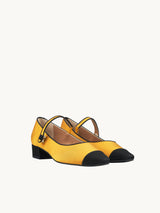
Bambie Satin Royal Ballerinas
80 €
180 €
-56%
I didn’t have time to send you a little message to thank you… I’m absolutely delighted with my gorgeous golden shoes, they feel like real slippers!
Marie-Pierre C.
The shoes are perfect in size 35, I’m thrilled! Yet another stunning pair of shoes.
Alvina D.R.
I love them so much! 😍 My boyfriend is a fan too!
Ngoc T.N.
This pair of shoes is a real find, that's why I ordered them in a double black and antique. I wear them every day when I go to work in Brussels.
Alvina D.R.
I haven’t had the chance to thank you since I opened my package, so a big thank you for your size advice, it’s perfect. I can’t wait to order from you again!
Laura
A thousand thanks!
And thank you also for what you do 🧡 these beautiful shoes for little feet.
Camille S.
What Our Clients Love
I didn’t have time to send you a little message to thank you… I’m absolutely delighted with my gorgeous golden shoes, they feel like real slippers!
Marie-Pierre C.
The shoes are perfect in size 35, I’m thrilled! Yet another stunning pair of shoes.
Alvina D.R.
I love them so much! 😍 My boyfriend is a fan too!
Ngoc T.N.
This pair of shoes is a real find, that's why I ordered them in a double black and antique. I wear them every day when I go to work in Brussels.
Alvina D.R.
I haven’t had the chance to thank you since I opened my package, so a big thank you for your size advice, it’s perfect. I can’t wait to order from you again!
Laura
A thousand thanks!
And thank you also for what you do 🧡 these beautiful shoes for little feet.
Camille S.
Leather, the key to a good ballet flat
What makes a good soft leather ballet flat?
Suppleness, yes. But not only. What makes a good leather ballet flat is leather that is both supple and holds its shape. Nappa in goat or calf gives where the foot asks, but it does not collapse. That is what deep nourishment does: the leather keeps its structure. Leather that is simply coated on the surface feels supple at first, then sags, and the flat loses its line within weeks.
You have probably lived this: a new ballet flat that looked perfect, shapeless after a month. It was not the flat. It was the leather. The leather shoes that age well are the ones whose leather has body, not just softness.
You have probably lived this: a new ballet flat that looked perfect, shapeless after a month. It was not the flat. It was the leather. The leather shoes that age well are the ones whose leather has body, not just softness.
Why does leather change everything in a ballet flat?
Because in a ballet flat, leather does everything. No rigid structure, no high upper. If the leather is wrong, nothing saves it. Good goat nappa absorbs heat, breathes, and softens exactly where your foot bends. After a few days, the flat no longer has the shape it had in the shop. It has yours.
Our Italian workshops know this: on a ballet flat, the leather is bare. It can hide nothing. So they work it accordingly.
Our Italian workshops know this: on a ballet flat, the leather is bare. It can hide nothing. So they work it accordingly.
Comfort and well-being for everyday
Are ballet flats bad for your feet?
The problem is never the ballet flat itself. It is what is inside. A flat sole with no arch contour forces the foot to compensate all day. But when the sole follows the curve of the foot and the interior is leather-lined, comfortable ballet flats are exactly what you get.
Those who say « I cannot wear ballet flats » have usually never worn a pair whose inside matched its outside.
Those who say « I cannot wear ballet flats » have usually never worn a pair whose inside matched its outside.
Can you wear leather ballet flats without socks?
Yes, and that is actually when they look their best. In summer, barefoot in leather ballet flats, there is something of absolute simplicity. But it only works if the interior is leather-lined. A leather lining absorbs moisture through the day and releases it when you take the shoe off. The foot stays dry, the flat stays fresh.
It is a detail you do not see when you buy. But it is the one that makes the difference between wearing your flats for three hours and wearing them barefoot all day, without a second thought.
It is a detail you do not see when you buy. But it is the one that makes the difference between wearing your flats for three hours and wearing them barefoot all day, without a second thought.
Choosing and wearing
Are ballet flats still in fashion?
They have never really left the feet of women who know what they want. The catwalks rediscover them every two or three years. But in between, the women wearing ballet flats were not waiting.
What changes is the toe, the detail, the finish. Not the silhouette. Nappa that develops a patina, a clean line, no unnecessary bow: that kind of ballet flat does not follow fashion. It outlasts it.
What changes is the toe, the detail, the finish. Not the silhouette. Nappa that develops a patina, a clean line, no unnecessary bow: that kind of ballet flat does not follow fashion. It outlasts it.
What makes Italian ballet flats different?
Pick up an Italian leather ballet flat. The leather has grain, it has body, and a suppleness that is neither limp nor stiff. That is a balance few workshops find, because it requires selecting hides one by one and working the finish until the leather does exactly what is asked of it.
On a ballet flat, there is nowhere to cheat. No high upper, no structure. The leather is bare. And that is where Italian craftsmanship shows best. You find the same standard in loafers, the other shoe where leather does absolutely everything.
On a ballet flat, there is nowhere to cheat. No high upper, no structure. The leather is bare. And that is where Italian craftsmanship shows best. You find the same standard in loafers, the other shoe where leather does absolutely everything.
How do you wear ballet flats with a dressed-up outfit?
Everyone thinks heels. But a ballet flat that belongs with a dress or tailored suit is a question of leather, not height. Deep black nappa, patent that catches the light, dark suede: it is the material that carries the elegance, not the centimetres. The square toe does the rest: it structures the silhouette and gives the flat a presence that a round toe does not.
It is not a replacement. It is a choice. And those who make it do not go back. The pumps stay in the wardrobe, not by default, but because the ballet flat offers the same assurance, without the constraint.
It is not a replacement. It is a choice. And those who make it do not go back. The pumps stay in the wardrobe, not by default, but because the ballet flat offers the same assurance, without the constraint.