
Italian shoes
Leather that catches the eye, softness that supports every step. Italian women's shoes, handcrafted in Tuscany, sizes 33 to 40.


Rossia Black Sandals
205 €


Rossia Gold Sandals
210 €


Carolia Jean Mary Janes
205 €


Mellia Brown Gloss Mules
195 €


Titi Black Mules
210 €


Ritao Mesh Black Loafers
170 €


Ritao Mesh Beige Loafers
170 €
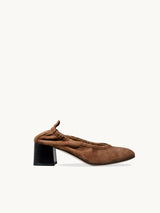
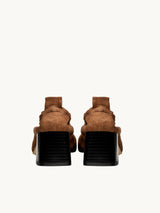
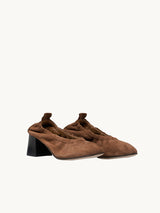
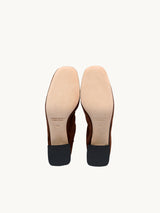

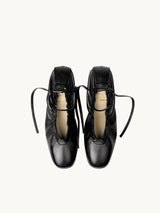

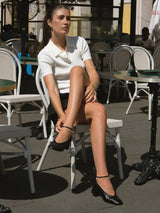
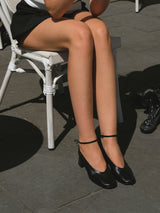


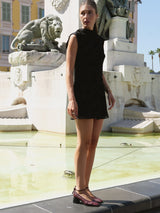
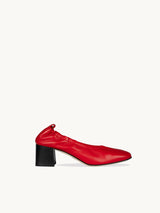
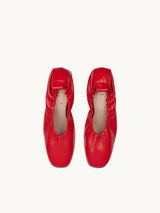
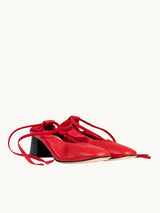


Perri Red Ballerinas
95 €
195 €
-51%


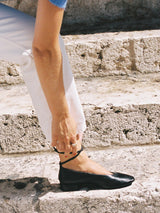
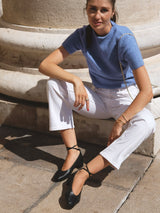
Benni Black Ballerinas
195 €


Perri CC Nude Ballerinas
205 €
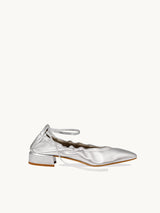
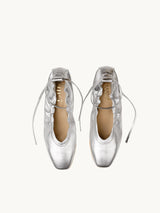

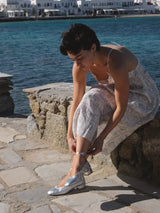
Benni Silver Ballerinas
195 €

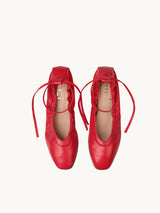
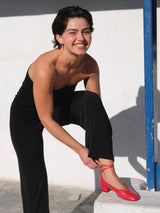
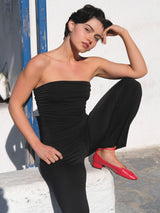
Red Ballerinas Benni
195 €
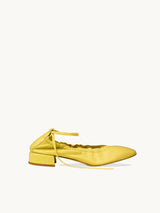
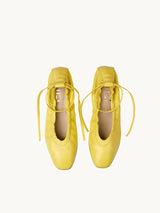
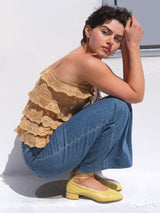
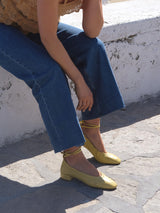
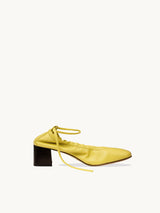
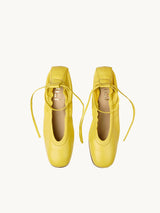
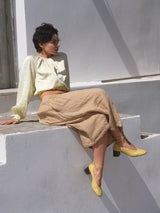
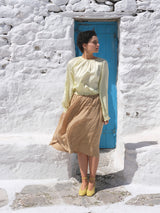
Yellow Ballerinas Benni
195 €

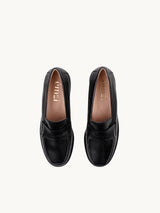
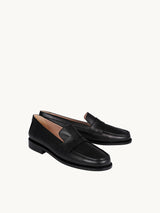
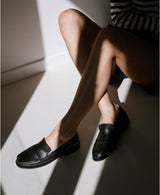
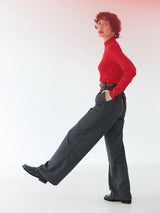
Lissa Black Loafers
220 €
I didn’t have time to send you a little message to thank you… I’m absolutely delighted with my gorgeous golden shoes, they feel like real slippers!
Marie-Pierre C.
The shoes are perfect in size 35, I’m thrilled! Yet another stunning pair of shoes.
Alvina D.R.
They are so comfortable I can't believe it... I've never felt so good!
Thank you and congratulations for this work.
Camille
I love them so much! 😍 My boyfriend is a fan too!
Ngoc T.N.
I received the pair of boots today... They fit me perfectly, the leather is very soft and comfortable, it’s pure joy!
Nathalie C.
They are so comfortable! 😱😻
Bertille C.
Shoes received today and instantly loved, they're perfect and look super comfortable!
Thank you so much for your responsiveness, availability, and professionalism!
Have a great evening!
Emmie H.
Well received!!! They are gorgeous and very comfortable! I'm thrilled! I’ll definitely order again 😍
Jade D.
They are stunning 😍😉
Pauline S.
perfect shoes !🖤
Jessica
Thank you, they are absolutely gorgeous 🤩🙈
Lea D.
What Our Clients Love
I didn’t have time to send you a little message to thank you… I’m absolutely delighted with my gorgeous golden shoes, they feel like real slippers!
Marie-Pierre C.
The shoes are perfect in size 35, I’m thrilled! Yet another stunning pair of shoes.
Alvina D.R.
They are so comfortable I can't believe it... I've never felt so good!
Thank you and congratulations for this work.
Camille
I love them so much! 😍 My boyfriend is a fan too!
Ngoc T.N.
I received the pair of boots today... They fit me perfectly, the leather is very soft and comfortable, it’s pure joy!
Nathalie C.
They are so comfortable! 😱😻
Bertille C.
Shoes received today and instantly loved, they're perfect and look super comfortable!
Thank you so much for your responsiveness, availability, and professionalism!
Have a great evening!
Emmie H.
Well received!!! They are gorgeous and very comfortable! I'm thrilled! I’ll definitely order again 😍
Jade D.
They are stunning 😍😉
Pauline S.
perfect shoes !🖤
Jessica
Thank you, they are absolutely gorgeous 🤩🙈
Lea D.
What makes Italy different
What makes Italian women's shoes so renowned?
The leather, above all. Italian workshops have been working leather for generations, and you can feel it. Not in the marketing. In the touch. Well-worked Italian nappa has a suppleness that has nothing to do with leather that has simply been dyed and coated. The fibres are nourished deep through, the grain stays natural, the leather holds its shape without ever becoming stiff.
What makes Italian leather shoes different is not Italy itself. It is that there are still family workshops that select their hides one by one, that refuse generic leather, and that finish the inside of a shoe with as much care as the outside. When you find one of those workshops, you understand the reputation.
What makes Italian leather shoes different is not Italy itself. It is that there are still family workshops that select their hides one by one, that refuse generic leather, and that finish the inside of a shoe with as much care as the outside. When you find one of those workshops, you understand the reputation.
How can you spot a genuine Italian shoe?
Three things to check, in this order. First, touch the leather. Good Italian leather has visible grain and a natural suppleness. If the surface feels smooth like plastic and leaves no mark to the touch, it is over-treated leather or not leather at all.
Next, turn the shoe over. Look at the sole, the edge finishing, the stitching. A workshop that knows what it is doing finishes the underside with as much care as the upper. And finally, put your hand inside. The lining should be leather, the seams flat, with no rough edges. These are details you cannot see in a photo, but the foot feels them from the very first minute.
Next, turn the shoe over. Look at the sole, the edge finishing, the stitching. A workshop that knows what it is doing finishes the underside with as much care as the upper. And finally, put your hand inside. The lining should be leather, the seams flat, with no rough edges. These are details you cannot see in a photo, but the foot feels them from the very first minute.
Comfort and quality
Are Italian shoes really comfortable?
It depends on the workshop. Italian leather has a reputation, but what makes the difference is how it is worked. Nappa leather, for example, is naturally supple because the fibres are nourished deep through after tanning. The leather gives where the foot needs it to, without forcing. This is particularly clear on a nappa loafer: the leather hugs the top of the foot from the moment you slip it on.
Poorly worked Italian leather stays stiff like any other. It is not the country of origin that makes a shoe comfortable, it is the skill of the person who makes it.
Poorly worked Italian leather stays stiff like any other. It is not the country of origin that makes a shoe comfortable, it is the skill of the person who makes it.
Is Italian leather different from other leathers?
The raw material, no. The hides come from the same farms. What changes is what happens afterwards. Italian tanneries have developed finishing techniques that few others master: the leather is nourished layer by layer, the grain is preserved rather than sanded and coated over, the colour penetrates deep rather than sitting on the surface.
The result: well-finished Italian leather ages differently. It develops patina instead of wearing out. It keeps its suppleness instead of drying. And it has that recognisable feel, that roundness people describe as « leather that looks alive ». To feel the difference, compare an Italian leather shoe in nappa with industrially treated leather. The fingers know before the eyes do.
The result: well-finished Italian leather ages differently. It develops patina instead of wearing out. It keeps its suppleness instead of drying. And it has that recognisable feel, that roundness people describe as « leather that looks alive ». To feel the difference, compare an Italian leather shoe in nappa with industrially treated leather. The fingers know before the eyes do.
Comparing and choosing
What is the difference between Italian and Spanish shoes?
They are two different traditions. The Italian workshops we know have an almost instinctive relationship with leather: the selection of hides, the feel, the final suppleness. Leather is their territory. The Spanish workshops we work with excel in construction and finishing: clean lines, structured elegance, precise heels.
These are not generalisations about two countries. They are specific skills, belonging to the families we have worked with for years. Some models are born in Tuscany, others in Alicante. Each one where it will be best made.
These are not generalisations about two countries. They are specific skills, belonging to the families we have worked with for years. Some models are born in Tuscany, others in Alicante. Each one where it will be best made.
Does a family workshop make shoes differently from a factory?
Yes, and the difference is not where you think. It is not about « handmade » versus « machine-made ». A good workshop uses machines. The real difference is who decides. In a family workshop, the same person selects the leather, checks the cut, and inspects the finished shoe. They know every model because they have been making them for years. In a factory, each step is separate. Nobody sees the shoe from start to finish.
That changes everything about the details. A seam that pulls, leather that creases wrong, a heel slightly off-centre: in a family workshop, someone sees it and fixes it. It is that vigilance, model after model, that you feel on the foot. We tell the story of how we found these workshops.
That changes everything about the details. A seam that pulls, leather that creases wrong, a heel slightly off-centre: in a family workshop, someone sees it and fixes it. It is that vigilance, model after model, that you feel on the foot. We tell the story of how we found these workshops.
Do Italian shoes last longer?
If the leather and construction are good, yes. Well-finished Italian leather develops patina instead of peeling. Colours keep their depth because the dye penetrates the fibre rather than sitting on the surface. And the leather stays supple because it was nourished properly from the tanning stage, not simply coated afterwards.
But longevity does not depend on leather alone. It also depends on construction. A properly set heel, a correctly attached sole, seams in the right places: these are workshop choices, not country choices. A mass-produced Italian shoe will not last longer than any other. It is the Italian craftsmanship of the workshop that creates longevity, not the flag.
But longevity does not depend on leather alone. It also depends on construction. A properly set heel, a correctly attached sole, seams in the right places: these are workshop choices, not country choices. A mass-produced Italian shoe will not last longer than any other. It is the Italian craftsmanship of the workshop that creates longevity, not the flag.