
Women's shoes
The leather follows your foot from day one, the sole supports every step. Women's dress shoes, handcrafted, sizes 33 to 40.
Filter
(44 results)
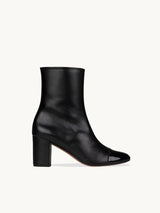
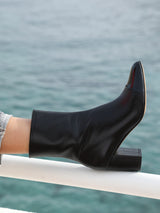
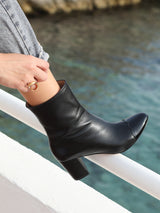

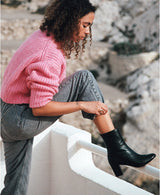
Felice Black Boots
240 €
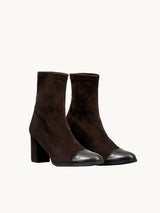
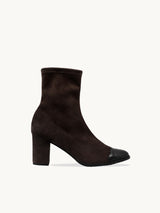
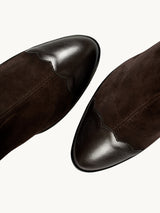
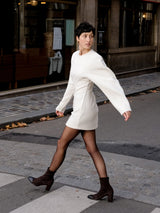
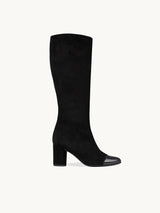
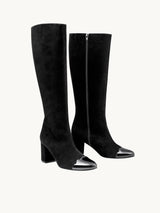
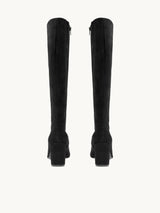
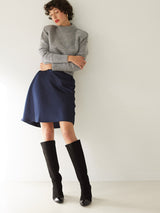
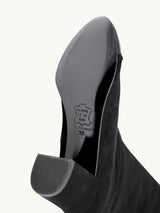
Freya Black Suede Knee High Boots
245 €
345 €
-29%
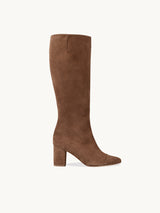
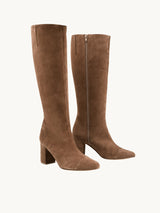
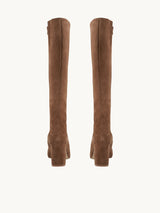

Freya Praline Suede Knee High Boots
245 €
340 €
-28%
Filter
(44 results)
Well received!!! They are gorgeous and very comfortable! I'm thrilled! I’ll definitely order again 😍
Jade D.
They are so comfortable I can't believe it... I've never felt so good!
Thank you and congratulations for this work.
Camille
Comfortable and high-quality shoes.
Elise P.C.
Order received today. Thank you for the little touch!
I'm very satisfied with the sandals, super comfortable, with high-quality materials and finishing!
I highly recommend them, especially for those with small sizes like me who are desperately looking for heeled shoes!
Houda B.
Shoes received today and instantly loved, they're perfect and look super comfortable!
Thank you so much for your responsiveness, availability, and professionalism!
Have a great evening!
Emmie H.
They are so comfortable! 😱😻
Bertille C.
I received the pair of boots today... They fit me perfectly, the leather is very soft and comfortable, it’s pure joy!
Nathalie C.
I think your shoes are absolutely beautiful and very comfortable. I'm so happy with my Flavie pair!
Anaïs B.
What Our Clients Love
Well received!!! They are gorgeous and very comfortable! I'm thrilled! I’ll definitely order again 😍
Jade D.
They are so comfortable I can't believe it... I've never felt so good!
Thank you and congratulations for this work.
Camille
Comfortable and high-quality shoes.
Elise P.C.
Order received today. Thank you for the little touch!
I'm very satisfied with the sandals, super comfortable, with high-quality materials and finishing!
I highly recommend them, especially for those with small sizes like me who are desperately looking for heeled shoes!
Houda B.
Shoes received today and instantly loved, they're perfect and look super comfortable!
Thank you so much for your responsiveness, availability, and professionalism!
Have a great evening!
Emmie H.
They are so comfortable! 😱😻
Bertille C.
I received the pair of boots today... They fit me perfectly, the leather is very soft and comfortable, it’s pure joy!
Nathalie C.
I think your shoes are absolutely beautiful and very comfortable. I'm so happy with my Flavie pair!
Anaïs B.
Recognising and understanding leather
How can you tell if Italian leather shoes are good quality?
Look at the grain. Nappa leather has a fine, slightly irregular, living grain. If the surface is too smooth or uniformly shiny, it is often coated or corrected. Touch it: good Italian leather yields under your finger and springs back. That is the sign of leather nourished through its full depth, not just on the surface. Smell it: a clean, frank scent, never chemical or plastic.
Once you know these three signs, you never look at a pair of shoes the same way again. And you understand why some pairs grow more beautiful with time, while others barely survive their first winter.
Once you know these three signs, you never look at a pair of shoes the same way again. And you understand why some pairs grow more beautiful with time, while others barely survive their first winter.
What is the difference between nappa, patent and suede leather?
You see them on every product page, but nobody really explains the difference. Nappa is the leather that gives under your fingers. Fine, supple, goat or calf. The one that moulds to the foot over the hours and develops a patina rather than wearing out. Patent is the opposite: a glossy lacquer over leather, a sharp line, a shine that holds. Suede is the soft, matte surface, finely buffed leather that absorbs light instead of reflecting it.
Nappa for an everyday loafer, patent for a dressed-up Mary Jane. In a shop, one gesture is enough to tell them apart: bend the leather. Nappa springs back on its own. Patent holds its line without marking. Suede shows a finger trace that fades. It is not about better or worse. It is about effect.
Nappa for an everyday loafer, patent for a dressed-up Mary Jane. In a shop, one gesture is enough to tell them apart: bend the leather. Nappa springs back on its own. Patent holds its line without marking. Suede shows a finger trace that fades. It is not about better or worse. It is about effect.
Why are some leather shoes supple from the very first day?
It is a question of leather, not time. When leather is nourished deep through after tanning, the fibres remain free to move against each other. The leather gives where the foot needs it to, from the very first step. Stiff leather is often leather that did not receive that deep work, or leather coated with a thick finish that blocks its natural suppleness.
The difference is immediate to the touch. Bend the shoe gently: well-nourished leather folds without resistance and springs back. If the crease stays or the leather cracks, the material will not follow your foot.
The difference is immediate to the touch. Bend the shoe gently: well-nourished leather folds without resistance and springs back. If the crease stays or the leather cracks, the material will not follow your foot.
What is the point of leather inside a shoe?
It is the part you never see, but your foot feels all day. A leather lining breathes. It absorbs perspiration during the day and releases it when you take the shoe off. That is what allows you to wear your shoes for hours without heat or friction.
The shoes you forget you are wearing and the ones you cannot wait to take off. The difference is often here. Not in the leather you see, but in the leather you feel.
The shoes you forget you are wearing and the ones you cannot wait to take off. The difference is often here. Not in the leather you see, but in the leather you feel.
Choosing for everyday
Can you wear leather shoes every day without damaging them?
Yes. That is actually how they become their most beautiful. Well-worked leather develops a patina with wear: it moulds to the foot, the grain gains character, the colour deepens. But there is one rule. Leather absorbs moisture from your foot during the day, especially when the lining is leather too. If you wear the same pair the next day, it has not had time to dry. Alternate between two or three pairs of women's leather shoes, and each will last years.
Leather ballet flats worn three times a week will look better after six months than the day you bought them. Leather has that quality: it does not wear out, it transforms.
Leather ballet flats worn three times a week will look better after six months than the day you bought them. Leather has that quality: it does not wear out, it transforms.
How do you choose elegant women's leather shoes?
An elegant shoe is not the one that catches your eye in a window. It is the one you are still reaching for after six months. It comes down to three things. The line: a clean cut, the right proportion between toe and heel. The leather: it should follow the foot without compressing it. And the shape: look at the shoe in profile. If the curve flows smoothly from heel to toe, it was designed for that leather, not adapted from a generic pattern.
Colour tells you a lot too. A deep black in nappa has nothing in common with a flat black in coated leather. And natural leather tones, cognac, caramel, burgundy, age better than synthetic dyes. That is what Italian workshops do best: finding the balance between restraint and character. Because that is what Italian leather demands. A shape that lets it speak.
Colour tells you a lot too. A deep black in nappa has nothing in common with a flat black in coated leather. And natural leather tones, cognac, caramel, burgundy, age better than synthetic dyes. That is what Italian workshops do best: finding the balance between restraint and character. Because that is what Italian leather demands. A shape that lets it speak.
Care and protection
How do you care for leather shoes so they last?
Less than you might think. Leather does not need elaborate rituals. One habit changes everything: after each wear, let your shoes breathe for 24 hours, away from a radiator or any heat source. Leather needs that time to release the moisture it has absorbed. Beyond that, a nourishing cream from time to time, suited to the leather type. Five minutes, no more.
What actually damages leather is never the wearing. It is forced drying on a radiator, it is no rest between two days of use. Our care guide covers the right approach for each material, but the essential fits in one sentence: let leather live, it will do the rest.
What actually damages leather is never the wearing. It is forced drying on a radiator, it is no rest between two days of use. Our care guide covers the right approach for each material, but the essential fits in one sentence: let leather live, it will do the rest.
Why do some leather shoes age better than others?
It all happens well before you wear them. Leather selected from the densest parts of the hide, nourished deep through after tanning, keeps its suppleness for years. The grain stays alive, the surface develops a patina rather than deteriorating. Leather taken from the thinnest parts, coated heavily to mask imperfections, ages poorly. The coating cracks, and the leather beneath lacks the density to hold.
Our workshops select leather from those dense parts, and it is a choice you cannot see at purchase. You see it afterwards. The raw material is not the same, the work is not the same, and the result after two years of wear is nothing alike.
Our workshops select leather from those dense parts, and it is a choice you cannot see at purchase. You see it afterwards. The raw material is not the same, the work is not the same, and the result after two years of wear is nothing alike.
Does leather suffer in the rain?
Less than you might think. Shoe leather has a natural resistance to moisture. It is not paper. A light rain will not damage it. Let it dry in open air, away from any heat source, and it recovers its shape. Suede is slightly more sensitive to water marks, but a protective spray applied from time to time is enough.
What damages leather is not the rain. It is the radiator when they are wet, it is moisture trapped without drying. After air drying, run your finger across the leather: if it has recovered its suppleness, all is well. If it feels drier to the touch, it is time to nourish it. The care guide covers the right approach for each material.
What damages leather is not the rain. It is the radiator when they are wet, it is moisture trapped without drying. After air drying, run your finger across the leather: if it has recovered its suppleness, all is well. If it feels drier to the touch, it is time to nourish it. The care guide covers the right approach for each material.